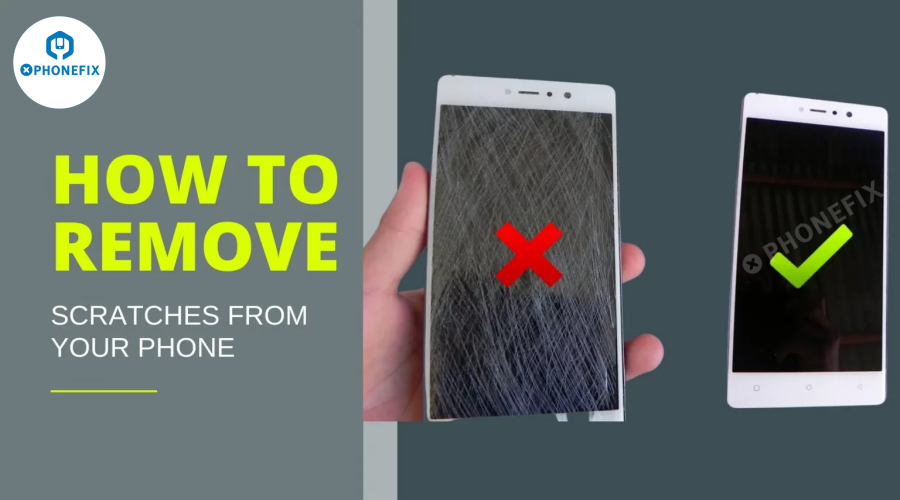
PIn the age of smartphones, the occasional scratch is inevitable. While minor scratches can be annoying, they don't necessarily mean your phone is doomed to look ugly or lose functionality. This article phonefix will introduces effective methods and Phone screen repair tools for repairing scratches, allowing you to restore your phone’s screen to its original glory.

Understanding Phone Screen Scratches
Before you start the repair process, it’s important to understand the types of scratches you might be dealing with. There are two main categories of screen scratches:
-
Surface Scratches: These are light, superficial marks that occur when your phone makes contact with less aggressive materials like dust or keys. While these don’t usually affect screen performance, they can detract from the phone’s overall aesthetic.
-
Deep Scratches: More severe than surface scratches, deep gouges often result from drops or contact with sharper objects. These can impair the phone’s display and touch functionality, potentially interfering with your day-to-day experience.
Identifying the severity of the scratch will help you choose the appropriate repair method and decide whether a DIY fix is sufficient or whether professional help is needed.
DIY Methods for Repairing Minor Surface Scratches
For those dealing with superficial scratches, there are several cost-effective and easy DIY methods you can try before resorting to professional repairs.
1. Toothpaste Method
Toothpaste can serve as an effective and surprisingly gentle abrasive for buffing out minor scratches. It works well because of the mild polishing compounds it contains.

How to Do It:
-
Start by cleaning the screen with a microfiber Polishing Cloth to remove any dirt or dust.
-
Apply a small amount of non-gel toothpaste to a clean, soft cloth.
-
Gently rub the cloth in circular motions over the scratch for about 10-15 seconds.
-
Wipe away the excess toothpaste with a damp microfiber cloth, ensuring no residue remains.
While the toothpaste method works well for light scratches, it’s essential to be cautious to avoid exacerbating any deeper marks.
2. Baking Soda Paste
Baking soda is another common household item that can help eliminate minor scratches. Its fine abrasiveness allows it to polish the screen without causing further damage.

How to Do It:
-
Mix two parts baking soda with one part water to create a thick paste.
-
Using a microfiber cloth, apply a
-
small amount of paste to the scratched area and gently rub in a circular motion.
-
After polishing, use a clean, damp cloth to wipe away the paste and any residue, leaving your screen clear and smooth.
While effective for minor scratches, this method is not suitable for deeper gouges, which require more intensive care.
3. Plastic Polish (For Screen Protectors)
If your phone has a plastic screen protector rather than a glass screen, plastic polish can be an excellent way to restore its smooth surface. It helps clear away light scratches and can often return the protector to near-new condition.
How to Do It:
-
Apply a small amount of plastic polish to the cloth and gently buff the scratched area in a circular motion.
-
Wipe away any excess polish with a clean microfiber cloth.
Professional Repair Solutions for Deeper Scratches
For more severe, deeper scratches that affect the functionality or aesthetics of your phone, DIY methods may not be enough. In such cases, you may need to consider professional repairs.
1. Cerium Oxide Polish
Cerium oxide is a high-grade polishing compound often used by professionals to restore glass surfaces, including phone screens. It is highly effective for buffing out deeper scratches, particularly on glass screens.
How to Do It:
-
Mix cerium oxide with a small amount of water to form a slurry.
-
Apply the mixture to the scratched area using a buffing pad attached to a drill or manual buffer.
-
Carefully buff the area in a circular motion, ensuring even pressure and movement to avoid uneven polishing.
-
Once finished, clean the screen with a microfiber cloth to remove excess polish.
This method is ideal for restoring the appearance of a glass screen with deep scratches. However, it requires precision and may not be suitable for those without experience.
2. Screen Replacement
If deep scratches have affected the touchscreen's functionality, or if DIY repair methods haven't been effective, Phone screen replacement may be your only viable option. It's often the best option when the damage is beyond the scope of a superficial repair. How to Do It:
-
Purchase a new screen that is compatible with your phone model from a reputable supplier.
-
Use Phone opening tools to carefully remove the damaged screen and replace it with the new one.
Although this is a more expensive option, it’s the most reliable way to restore your phone’s full functionality and appearance.
3. Professional Repair Services
If you’re unsure about attempting a DIY repair or if the damage is extensive, seeking professional help is always a good idea. Expert technicians have access to specialized tools and high-quality Phone accessories to fix scratches and other screen issues efficiently.
Professional repair services often come with warranties, ensuring that if the issue persists after the repair, you can return for a fix without additional charges. Moreover, a professional repair can include a thorough check-up of your device to ensure it’s functioning optimally in all aspects.
Preventing Future Scratches: How to Keep Your Phone Safe
While fixing scratches is one thing, preventing them is another! Here are a few simple steps to help safeguard your phone screen from future damage:
-
Use a Phone Screen Protector: Apply a tempered glass or plastic screen protector to act as a buffer between your phone’s screen and any potential scratches.
-
Keep Your Phone Safe: Avoid keeping your phone in the same pocket as keys, coins, or other items that could scratch the screen. Consider using a dedicated pouch or compartment for your phone when not in use.
-
Mindful Handling: Be mindful of where and how you place your phone. Avoid laying it face-down on rough or abrasive surfaces.
-
Invest in Phone Protector Case: A sturdy case not only provides extra protection for your phone but also helps to keep the screen safe from direct contact with surfaces when dropped.

Conclusion
By understanding the severity of scratches and applying the appropriate methods, you can restore your phone's appearance and functionality without breaking the bank. Of course, taking proactive measures to protect your phone's screen can help prevent scratches altogether, keeping your device looking new longer. Whether you're a DIY enthusiast or need professional help, these Phone repair tools can effectively address the most common phone screen issues.