
Charging issues are one of the most common headaches for Android users, often striking when the device is needed most. Whether the phone won’t charge, charges slowly, or stops randomly, these problems can disrupt daily life. Fortunately, most can be resolved without replacing the device—often with something as simple as Phone Charging Accessories. This guide covers the most common charging problems and practical solutions to get your device powered up and running again.
I. The Most Common Android Charging Problems
1. Phone Won't Charge at All
Few things are more frustrating than plugging in your phone and seeing no response. When this happens, the issue can stem from something as simple as a dirty port to a more complex internal failure.
Possible Causes:
· A faulty charging cable or adapter
· Damaged charging port
· Software glitches
· Complete battery failure
· Water damage to internal components
· Logic board failure
Solutions:
· Test accessories. Swap in a known-working cable and wall adapter. Also try a different power source—wall outlet, laptop, or power bank—to rule out supply issues.
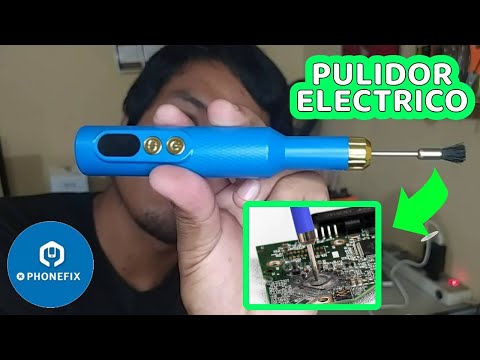
· Clean the port. Power off and gently clean the port with a dry, soft-bristled toothbrush or non-conductive tool. A cleaning brush and magnifying tool help you do this safely. Never use metal objects like paperclips.
· Force restart. Hold the power button for 10–15 seconds. If the battery is completely drained, leave it plugged in for 20–30 minutes before attempting to power on.
· Inspect for physical damage. Check if the port is bent, loose, or corroded. A wobbly connection often means the port needs replacement. This requires steady hands and Qianli Precision Screwdriver, pry tools, and tweezers to open the device and replace the charging port assembly.
· Check for water damage. Look for discoloration on charging pins or a red/pink liquid damage indicator inside the SIM tray. Cleaning with isopropyl alcohol and fine-tipped tools can sometimes restore function after moisture exposure.
· Consider logic board failure. If all else fails, the charging circuitry on the logic board may be damaged—look for burned, cracked, or corroded components. Board replacement is one option; micro-soldering repair requires specialized equipment and expertise.

2. Slow Charging Issues
Possible Causes:
· Incompatible or low-power charger
· Damaged cable
· Dirty charging port
· Background apps consuming power
· Overheating throttling
· Aging battery
Solutions:
· Check charger compatibility. Fast charging requires a compatible charger and Phone Charging Cable—standard 5W chargers will charge very slowly. Use the original charger or a certified replacement that supports your phone's fast charging protocol.
· Examine the cable. Frayed, bent, or non-compliant USB-C cables can significantly reduce charging speed. Replace any suspect cables with high-quality ones.
· Clean the port. Debris creates resistance and slows current. Gently clean with a precision brush and non-conductive pick.
· Close heavy apps. Games, GPS, and streaming apps consume power faster than some chargers can supply. Close unused apps, enable battery saver, or charge while the phone is idle.
· Manage temperature. Phones throttle charging speed when hot. Remove the case, keep out of direct sunlight, and avoid charging on soft surfaces like beds or couches.
· Check battery health. In Settings, look for battery health diagnostics. If health is poor, replacement is the most effective fix.
3. Intermittent Charging
Possible Causes:
· Loose or worn charging port
· Damaged cable with internal wire breaks
· Loose internal connection
· Software conflicts
· Debris in port
Solutions:
· Test with a new cable and adapter. Cable breaks near the connector often cause intermittent connections. Try a different, high-quality power cable to see if the issue resolves.
· Inspect and clean the port. Lint prevents the plug from seating fully. Use a magnifying tool and Phone Cleaning Kit to remove buildup. If the cable feels loose, the port may be worn or the solder joints cracked from repeated use.
· Try charging while off. If the phone charges reliably when powered down but cuts in and out when on, boot into safe mode (hold power button, then long-press "Power off") to see if a third-party app is the cause.
· Check internal connections. A drop can loosen the charging port flex cable from the logic board. Using precision screwdrivers and pry tools, open the device and reseat the connector.
4. Phone Only Charges When Turned Off
Possible Causes:
· Software or firmware glitches
· Corrupted battery calibration
· Malfunctioning power management IC
· Faulty port that only works with minimal power draw
Solutions:
· Restart and update. Start with a restart, then check Settings > System > Software Update for any patches addressing battery or charging issues.
· Calibrate the battery. Drain the battery until the phone shuts off, then charge uninterrupted to 100% while powered off. Power on while still plugged in to reset battery statistics.
· Boot into safe mode. In safe mode, only pre-installed apps run. If the phone charges normally, a third-party app is interfering—uninstall recently added apps one by one to find the culprit.
· Consider power management hardware. If the phone charges perfectly when off but not when on, the power management IC (PMIC) may be failing. This requires micro-soldering skills and MECHANIC MICRO 1 Soldering Station.
5. Overheating During Charging
Possible Causes:
· Fast charging in hot environment
· Charging while running intensive apps
· Faulty battery
· Damaged charging circuit
· Poor-quality charger
Solutions:
· Remove case and change location. Thick cases trap heat. Charge on a hard, cool surface away from direct sunlight.
· Avoid heavy use while charging. Gaming or streaming generates heat on its own; charging adds more. Pause heavy tasks until the phone cools, or charge during idle periods.
· Switch to a standard charger. Fast charging generates more heat. For overnight or non-urgent charging, use a slower, standard charger to reduce thermal stress.
· Check battery health. An aging or damaged battery often runs hot. If the phone consistently overheats and drains quickly, replace the battery. Swelling (bulging back cover) is a danger sign—stop charging immediately.
· Inspect for internal damage. If overheating persists with known-good accessories, there may be a short circuit or failed component on the logic board. A technician can open the device using precision screwdrivers and pry tools to inspect for burned capacitors or leaking components around the charging circuit.

II. Preventing Future Charging Problems
Prevention is always better than a cure. By adopting a few simple habits, you can avoid most charging issues and extend the life of your device.
· Proper Charging Habits
Always use certified chargers and cables—cheap alternatives can damage your charging circuit. Avoid charging in extreme temperatures, and don't regularly drain your battery to zero. When possible, unplug once fully charged, and keep your charging port clean by gently inspecting it every few months.
· Physical Care
Handle your phone with care. When plugging or unplugging, pull from the connector, not the cord. A protective case helps absorb shock, but make sure it doesn't block the port or trap heat. Keep your phone away from liquids, and store charging cables loosely to prevent fraying.
· Software Maintenance
Keep your operating system updated to benefit from battery-related fixes. Restart your phone weekly to clear temporary glitches, and monitor battery usage to identify power-hungry apps. Occasionally calibrate your battery by letting it drain fully and then charging to 100% uninterrupted.
If you've tried the solutions above and your phone still won't charge reliably, it may be time for internal repairs—whether that's replacing a damaged charging port, addressing a loose internal connection, or diagnosing a logic board issue. At Phonefix, we provide high-quality Phone Repair Tools for every level of repair, from precision screwdriver sets and pry tools for DIY enthusiasts to professional-grade soldering stations and diagnostic equipment for technicians. Charging problems are frustrating, but with the right knowledge and quality tools, most issues can be resolved without replacing your device. Keep your tools ready, your port clean, and your phone charged—Phonefix has you covered.