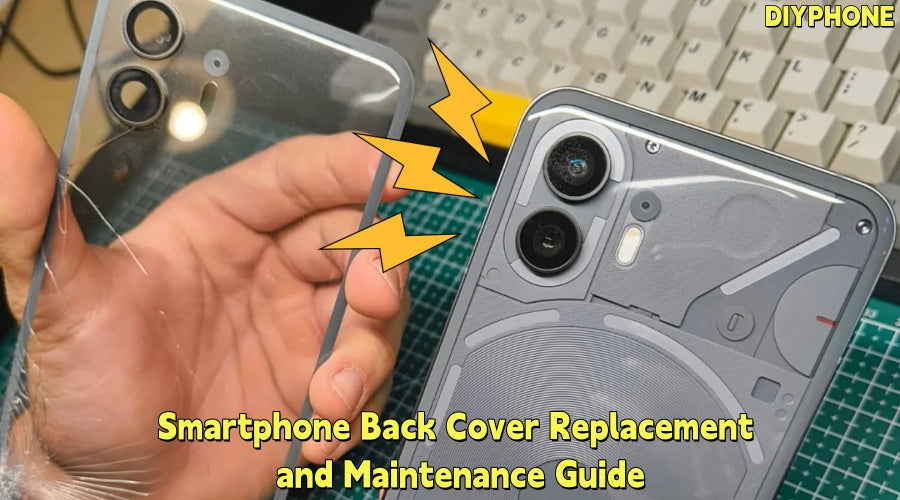
As smartphones continue to evolve, consumers are paying increasing attention not only to device performance and features but also to durability and appearance. As an important part of a smartphone's body, the back cover is inevitably exposed to impacts, drops, and scratches during everyday use. This can result in cracks, breakage, or deformation. If not addressed promptly, damaged areas may also increase the risk of dust and moisture entering the device. Therefore, understanding smartphone back cover materials, replacement methods, and maintenance precautions can help extend the service life of a device.

I. Understanding Smartphone Back Covers
A smartphone back cover is more than just a decorative component. It is also an important part of the device's external protective structure. In everyday use, it mainly serves the following purposes:
1. Functions of a Smartphone Back Cover
· Providing Physical Protection
When a phone is accidentally dropped or subjected to an impact, the back cover can absorb some of the external force, reducing the likelihood of direct damage to the phone body. It also helps minimize surface wear caused by everyday scratches.
· Protecting Internal Components
An intact back cover helps maintain the phone's original structure and sealing condition, reducing the risk of dust, moisture, and other small particles entering the device and potentially damaging electronic components.
· Enhancing Appearance and User Experience
Back covers made from different materials, colors, and textures offer various visual effects. In addition to meeting protective requirements, modern smartphone back covers have become important design elements that reflect product aesthetics and personal preferences.
2. Common Smartphone Back Cover Materials and Their Characteristics
The material used for a smartphone back cover directly affects the device's weight, durability, heat dissipation, and overall appearance. Common materials mainly include the following:
· Polycarbonate
Polycarbonate is a commonly used engineering plastic known for its lightweight properties, good toughness, and ease of processing.
a. Advantages: It offers a certain level of impact resistance and is less likely to crack from minor impacts. Its production cost is also relatively low.
b. Characteristics: Suitable for users who prioritize practicality, lightweight design, and affordability.
· Aluminum Alloy
Aluminum alloy back covers offer high structural strength, a premium metallic appearance, and good thermal conductivity.
a. Advantages: They provide a simple, durable appearance and can enhance the overall look and feel of a smartphone.
b. Considerations: Metal materials may interfere with wireless signal transmission, so appropriate structural design is required to address this issue.
· Glass
For example, iPhone Back Cover Glasses offer high gloss, a smooth touch, and a refined appearance.
a. Advantages: They offer greater design flexibility and can feature a wide range of colors and surface finishes.
b. Considerations: Glass can easily crack when subjected to strong impacts, so additional protection is necessary during everyday use.
4. Composite and Eco-Friendly Materials
With advances in material technology, some manufacturers have started using composite and recyclable materials to produce smartphone back covers. These materials can combine the advantages of different materials, achieving a balance between weight, strength, and environmental performance.

II. The Impact of Back Cover Replacement
When a smartphone back cover becomes damaged, leaving it unrepaired for an extended period may affect the device's overall protective capabilities. Replacing it promptly can reduce potential risks and help extend the phone's service life.
1. Reducing the Risk of Dust and Moisture Ingress
When a back cover develops cracks or begins to lift, the original sealing structure may be compromised, making it easier for dust and moisture to enter the device. This is particularly concerning in humid environments, where moisture may cause corrosion of internal metal contacts and electronic components.
2. Preventing Further Damage
If the back cover is already cracked or deformed, continued exposure to external impacts may cause the damage to spread and even affect the positioning and fastening of internal components. Promptly inspecting and replacing damaged parts can help prevent additional repair problems.
3. Reducing Repair Costs and Electronic Waste
Compared with purchasing a new smartphone, replacing a damaged back cover is a more targeted repair solution. If the device's other hardware components are still functioning normally, replacing the back cover allows users to continue using their existing phone, reducing unnecessary spending and helping minimize electronic waste.
4. Important Considerations When Replacing a Smartphone Back Cover
· Confirm the Phone Model: Different smartphone brands and models may have different back cover dimensions, camera cutouts, and internal structures. Before purchasing replacement parts, confirm the exact model, version, and component specifications to avoid installing an incompatible back cover.
· Inspect the Device for Damage: If the phone has experienced a severe impact, do not inspect only the surface of the back cover. The frame, battery, and internal connecting components should also be checked for abnormalities. For devices with obvious deformation or exposed internal components, professional inspection is recommended first.
· Choose a Reliable Repair Service: Back cover replacement usually involves disassembly, cleaning, and reapplying adhesive. Improper procedures may damage the camera, battery flex cables, or other internal components. Users without repair experience should choose professional repair services and prioritize high-quality, model-compatible replacement parts.
· Evaluate the Replacement Cost: Before proceeding with repairs, consider the phone's age, overall performance, and back cover replacement cost. If the other functions work normally, replacing the back cover is generally worthwhile. However, if the device also has serious problems involving the motherboard or battery, the overall cost-effectiveness of the repair should be carefully evaluated.

III. Back Cover Selection and Daily Maintenance
Choosing the right smartphone back cover not only improves the device's appearance but also helps maintain its protective capabilities during everyday use. When purchasing a replacement, users should prioritize material quality, model compatibility, and actual usage requirements.
During everyday use, the following measures can help reduce back cover damage:
· Use a suitable phone case to reduce damage caused by drops and impacts.
· Avoid placing the phone together with hard objects such as keys to minimize surface scratches.
· Regularly inspect the edges and surface of the back cover, and address cracks or lifting as soon as they are discovered.
· Keep the phone dry and avoid exposing it to humid or high-temperature environments for extended periods.
Overall, although a smartphone back cover is only one part of the device's external structure, it plays an important role in protecting the phone body, maintaining structural integrity, and enhancing appearance. Promptly replacing damaged back covers with high-quality Phone Accessories and following proper daily maintenance practices can help reduce device damage and extend the service life of smartphones.